

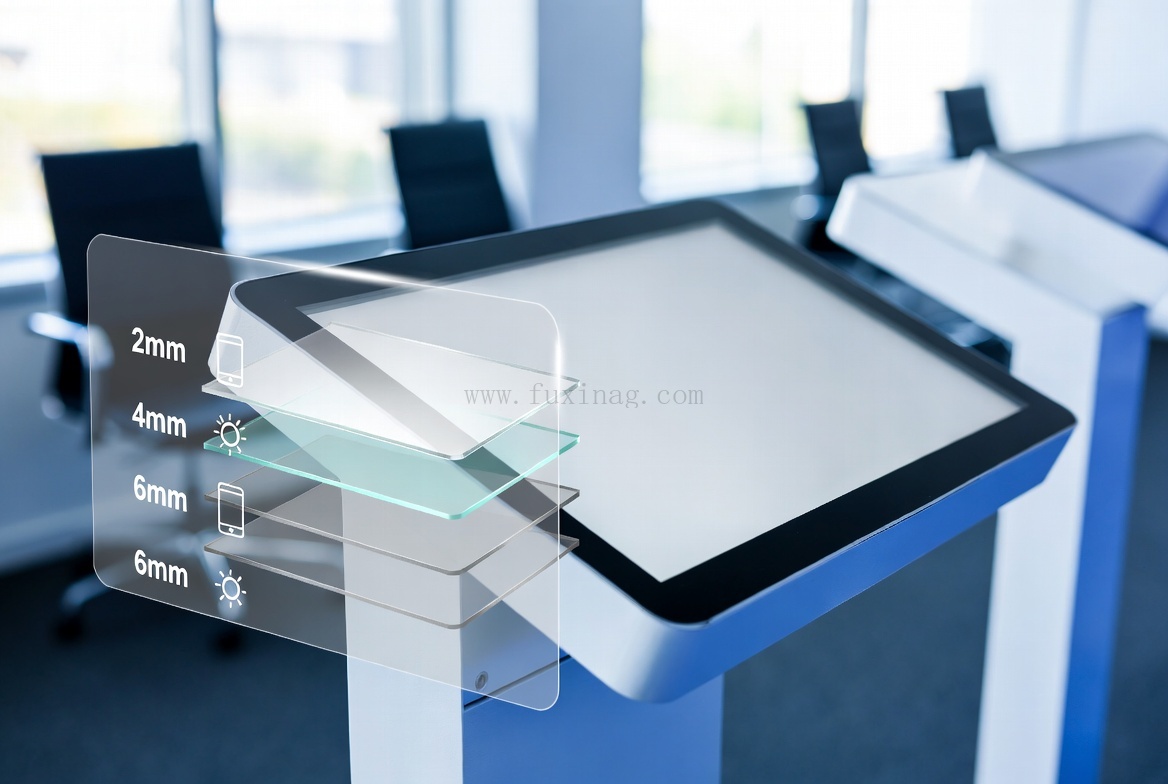

How to Select the Right AG Anti-Glare Cover Glass Thickness for Interactive Displays
- Capacitive touch sensitivity
- Impact and vandal resistance
- Overall weight and structural rigidity
- Optical performance (transmittance and haze)
Display Size and Structural Rigidity
Larger interactive panels (55–86 inches) require thicker glass to prevent warping or flexing under pressure. Thinner glass may bow on big screens, creating air gaps or uneven touch response.
Touch Technology and Sensitivity
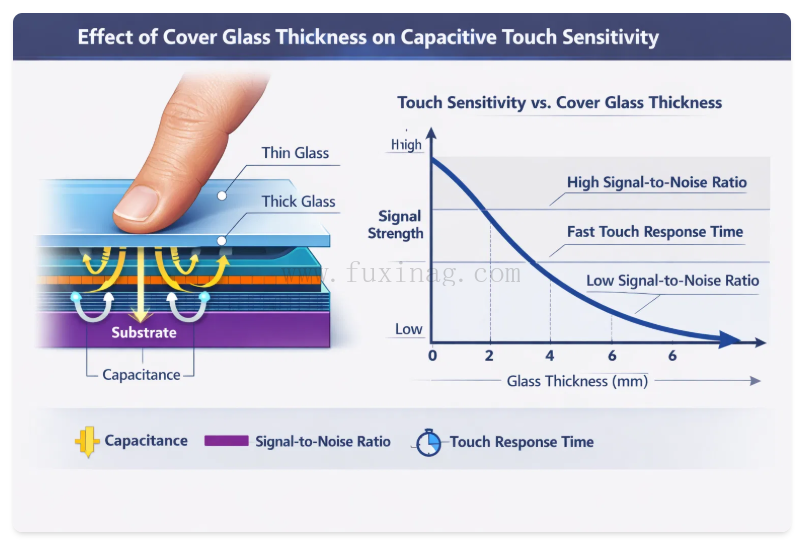
Capacitive touch sensors perform best with thinner cover glass (closer proximity to the sensor layer improves signal strength). Ultra-thin options (0.7–2 mm) deliver superior responsiveness for consumer and office applications.
Environmental Conditions
- Indoor office/retail: 2–4 mm often suffices.
- Outdoor or high-ambient-light kiosks: 6–12 mm+ for added strength and weather resistance.
Thicker tempered AG glass withstands temperature fluctuations, UV exposure, and vandalism better.
Durability and Impact Resistance
Public or industrial use demands chemically strengthened or tempered glass. Thicker substrates (4 mm and above) offer superior drop and scratch resistance after AG etching.
Weight and Installation Constraints
Every extra millimeter increases weight significantly on large panels. Architects and integrators must balance strength with mounting feasibility and shipping costs.
Optical Performance
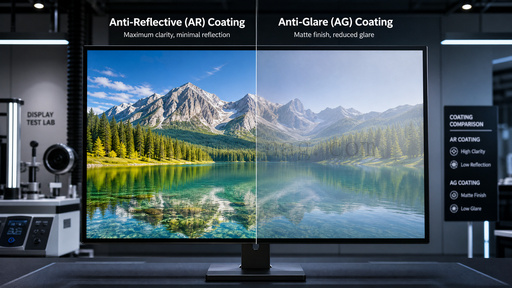
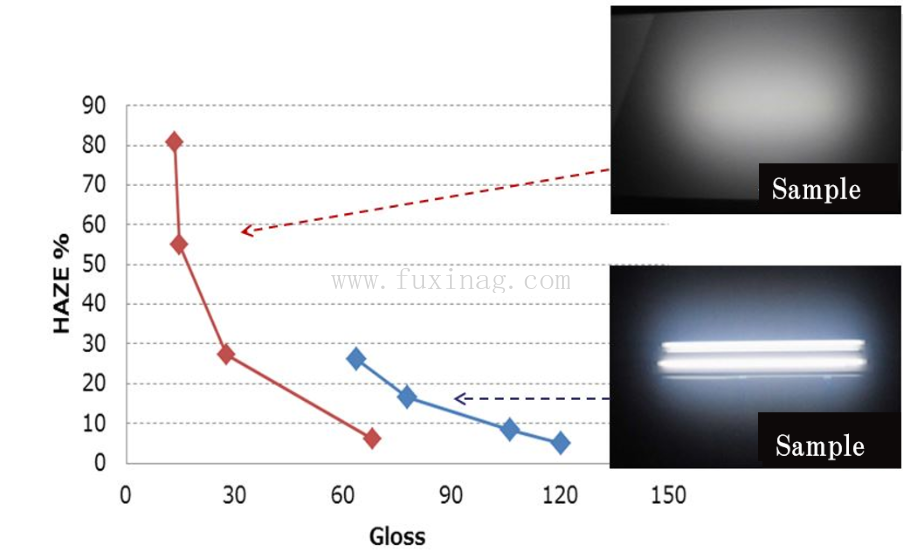
Thicker glass slightly reduces light transmittance. High-quality low-iron AG glass minimizes this effect while maintaining haze levels of 5–25% for optimal anti-glare performance.
|
Application
|
Recommended Thickness
|
Key Reasons
|
Typical Glass Type
|
|
Smartphones/Tablets
|
0.7–1.2 mm
|
Maximum touch precision & lightweight
|
Chemically strengthened aluminosilicate
|
|
Office Collaboration Screens
|
2–3 mm
|
Balanced sensitivity & rigidity
|
Tempered soda-lime or AG etched
|
|
Retail & Corporate Kiosks
|
3–6 mm
|
Vandal resistance & durability
|
Tempered AG glass
|
|
Industrial Control Panels
|
4–8 mm
|
Harsh environment protection
|
Thick tempered AG
|
|
Outdoor Digital Signage
|
6–12 mm+
|
Weather & impact resistance
|
Extra-thick low-iron AG
|
|
Large Interactive Walls (>75")
|
6–15 mm
|
Structural stability
|
Custom tempered AG
|
- Choosing thickness based solely on cost instead of application needs.
- Ignoring touch controller specifications when going ultra-thin or extra-thick.
- Overlooking low-iron glass for better transmittance in bright environments.
- Forgetting post-AG strengthening (chemical tempering) for public displays.