




How AG Micro-Etching Surface Roughness Affects the Smoothness of Tempered Glass Mouse Pads?
Understanding AG Micro-Etching on Tempered Glass
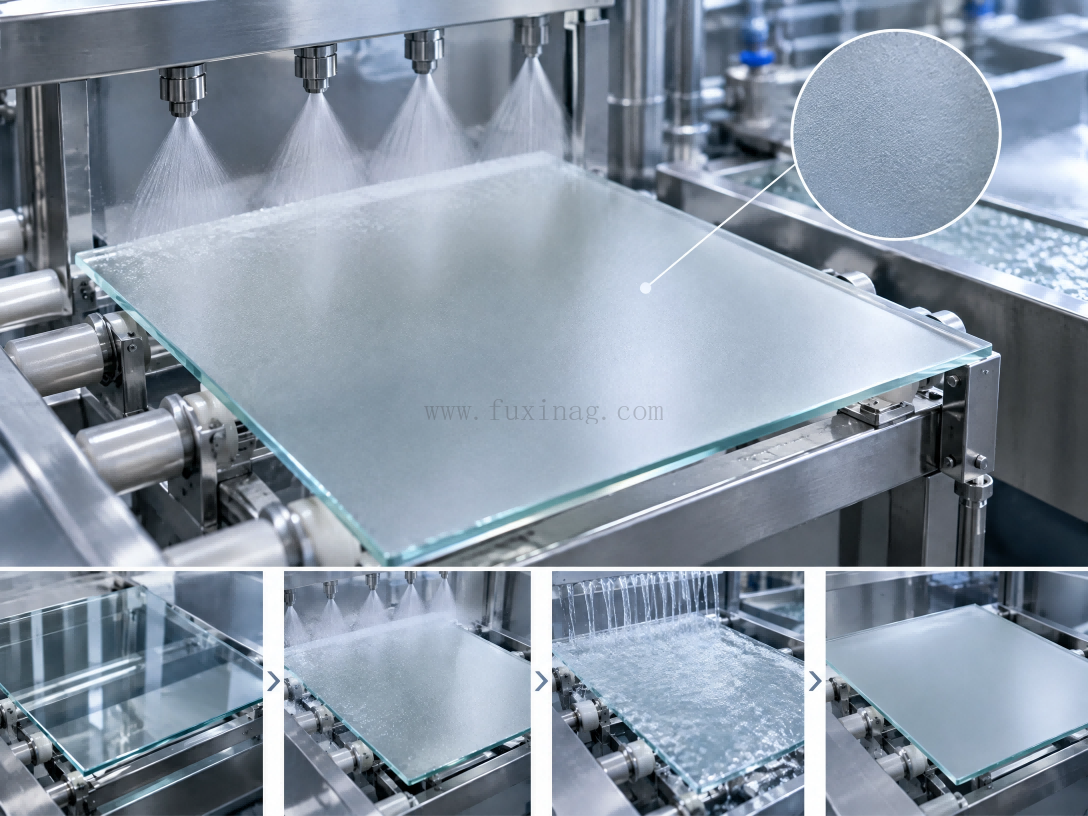
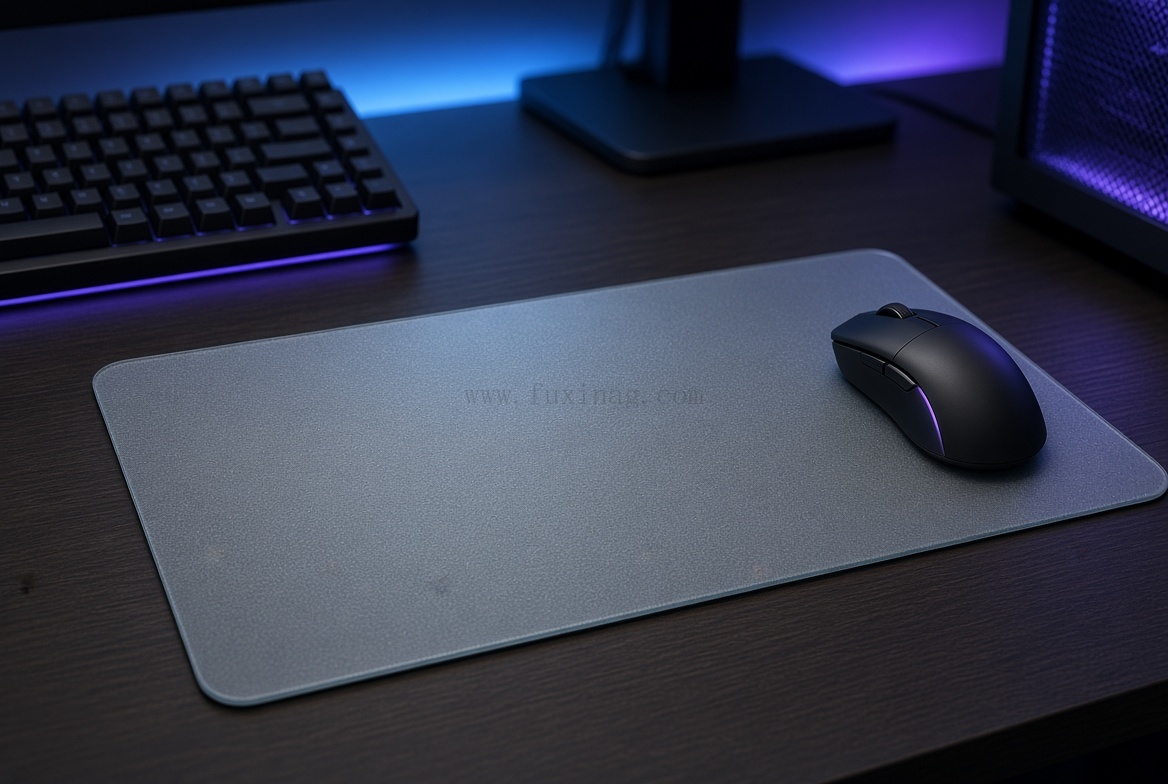
AG micro-etching is a controlled chemical or mechanical process that creates a fine, uniform micro-texture on the glass surface. Unlike polished glass, which can feel overly slippery, or heavily textured surfaces that introduce drag, AG etching produces a matte anti-glare finish while precisely managing surface roughness (typically measured as Ra value).
The optimal glass pad surface maximizes the gap between these two values—low starting resistance paired with enough kinetic feedback for controllable stopping. This is where AG micro-etching roughness (Ra) becomes a manufacturing lever with direct end-user consequences.
Roughness Ranges and Performance Mapping
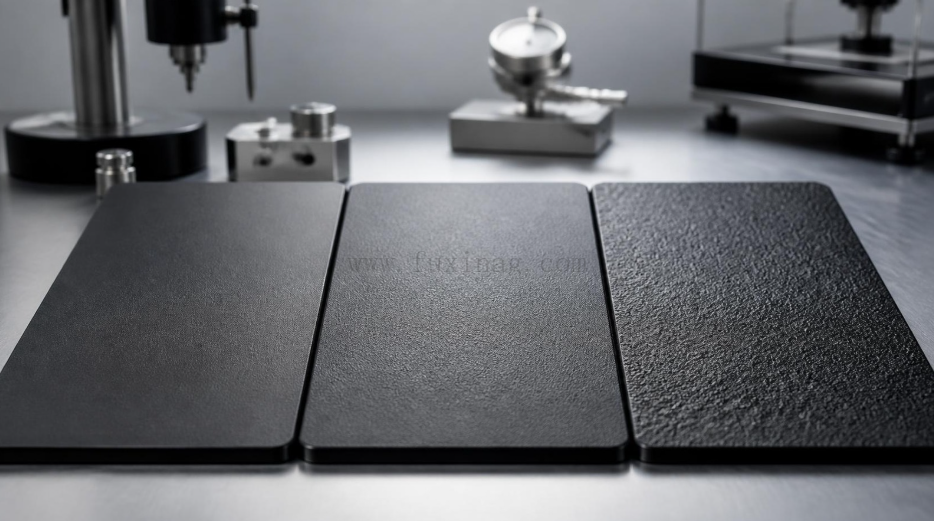
| Ra Value | Glide Character | Target Application |
| ≤ 0.5 μm | Ultra-slippery, minimal control feedback | Speed-focused niche only |
| 1.0–2.0 μm | Low μs + moderate μk, "fast but grippy" | FPS speed players (Apex, Overwatch) |
| 2.0–4.0 μm | Noticeable tactile feedback, superior stopping | Tactical FPS (CS2, Valorant) |
How Surface Roughness Affects Mouse Smoothness
- Lower roughness (smoother etch): Delivers very low friction and high glide speed. Ideal for flick shots and fast tracking, but can reduce stopping precision and make micro-adjustments slightly less controlled.
- Medium/optimal roughness: Provides the best balance of speed and control. The micro-texture offers just enough resistance for accurate stopping and fine movements while maintaining excellent overall smoothness and consistent sensor tracking.
- Higher roughness: Increases friction and “grip.” This can improve control for low-sensitivity players but may introduce more drag, slight sensor inconsistency over time, and a less “effortless” glide feel.
Extensive testing with optical and laser sensors shows that moderate AG etch roughness yields the most stable lift-off distance, consistent CPI accuracy, and reduced mouse feet wear compared with extreme ends of the spectrum. The etched surface also resists fingerprints and glare better than polished glass, improving visibility and hygiene during long sessions.
Looking Ahead
As demand for high-end glass mouse pads continues to grow, manufacturers refining AG micro-etching parameters will differentiate themselves through measurable glide performance rather than aesthetics alone. Optimized surface roughness remains one of the most effective levers for improving the feel and consistency of tempered glass mouse pads.
For product specifications, custom roughness options, bulk inquiries, or technical data sheets on AG micro-etched tempered glass mouse pads, contact Fuxin Glass's sales team directly. We support OEM/ODM requests and can provide samples with defined surface roughness ranges tailored to speed, balance or control preferences.