How to Use One Way Glass for Privacy and Security in Your Space?
In today's world, privacy and security are paramount. One way to enhance these aspects in your space is through the use of One Way Glass. This innovative material allows you to maintain privacy while still enjoying natural light. Michael Johnson, an expert in architectural design, states, "One Way Glass transforms ordinary spaces into private sanctuaries."
However, while One Way Glass has distinct advantages, it is not without challenges. For instance, lighting conditions affect its efficacy. During the day, clear visibility from the outside is possible, raising concerns for evening security. It's essential to understand how to properly position One Way Glass in your environment.
Moreover, choosing the right thickness and tint can significantly impact its performance. Selecting the best products requires careful consideration. Misalignment in window installation can also lead to privacy breaches. As you enhance your space, remember that perfect solutions often require adjustments and reflections on your choices.
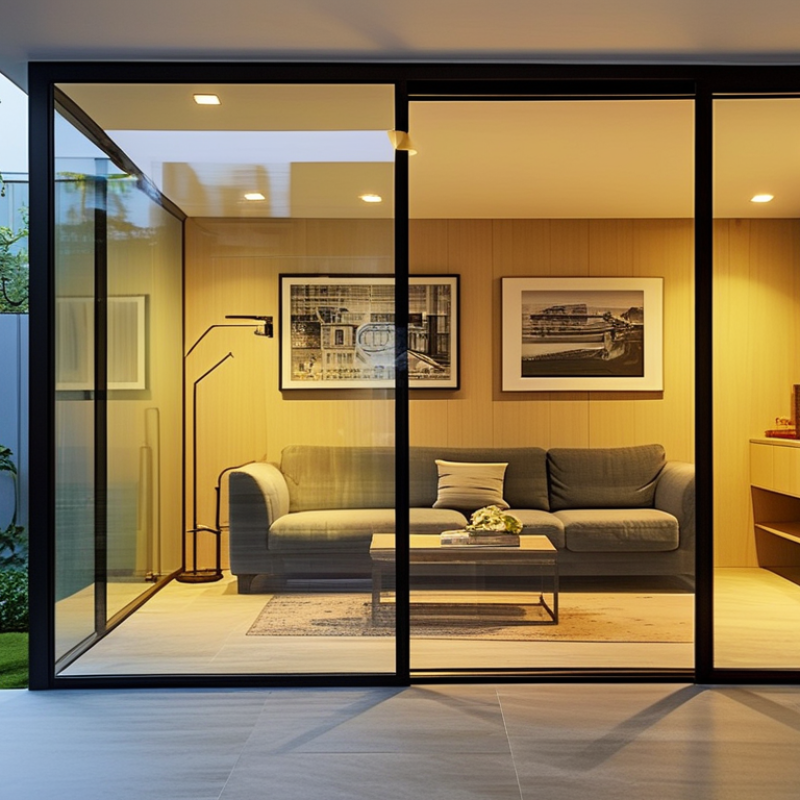
Understanding One Way Glass and Its Applications
One way glass, also known as one-way mirror, is a unique material that serves dual purposes. It allows visibility from one side while maintaining privacy on the other. This feature can enhance both security and aesthetics in various environments. For example, during daylight, occupants of a room can see outside, while those outside cannot view inside. This quality makes it ideal for offices, security rooms, and even homes.
When considering its applications, one way glass is often used in offices for conference rooms. It provides discretion during meetings while allowing a view of activities for security personnel. In residential settings, it can be installed in bathrooms or bedrooms to ensure personal space. However, these installations must be carefully planned. Factors like lighting conditions affect its effectiveness. If the outside is darker than the inside, privacy may be compromised.
Another aspect of using one way glass is maintenance. It can show fingerprints and smudges easily, which detracts from its appearance. Regular cleaning is necessary to maintain clarity. This requires a commitment many overlook, leading to a potential reduction in functionality. Understanding these details helps in making informed choices on using one way glass in your space.
Benefits of One Way Glass for Privacy and Security
One way glass offers unique benefits for privacy and security in a variety of settings. This material allows light to pass through while preventing visibility from the exterior. Such properties make it ideal for offices, homes, and even retail environments. Users enjoy a sense of safety without compromising natural light. This can enhance emotional well-being, creating a more comfortable atmosphere.
Moreover, one way glass reduces the risk of break-ins. It serves as a visual barrier, deterring potential intruders. A room with this glass looks occupied and secure. It can be particularly useful for confidential meetings or private spaces. However, it's essential to consider the potential drawbacks. In some situations, this glass may not provide adequate privacy at night when interior lights are on. This could lead to a sense of vulnerability if not properly managed.
Installing one way glass requires expertise. Proper alignment and installation ensure maximum effectiveness. Users should seek professional advice to address challenges and installation concerns. While benefits are significant, consideration of potential issues is vital. Balancing privacy with functionality leads to a more secure and tranquil environment.
Benefits of One Way Glass for Privacy and Security
How to Properly Install One Way Glass in Your Space
Installing one-way glass can enhance privacy and security in your space. It's essential to approach this task with caution and attention to detail. First, prepare your workspace. Ensure the glass and surrounding areas are clean and free of debris. This avoids imperfections during installation.
Carefully measure your window or doorway. Accurate measurements are vital. A small mistake can lead to gaps, compromising privacy. Once measured, cut the glass to fit. A professional glazier can assist with this task. If you choose to do it yourself, handle the glass gently to prevent cracking.
Tips: Use silicone adhesive for a secure fit. Apply it evenly along the frame. Make sure to hold the glass in place until the adhesive sets. A level tool can help ensure your installation is straight. After installation, check for any visible flaws. Reflect on the aesthetics and functionality before finalizing the project. If any mistakes occur, don’t hesitate to seek professional help. It’s better to correct issues than to live with them.
Before installation, verify that your glass has the desired reflective properties. Consider the lighting conditions in your space. While one-way glass provides privacy, it needs light to function correctly. Understand that changes in natural light can affect visibility.
How to Use One Way Glass for Privacy and Security in Your Space? - How to Properly Install One Way Glass in Your Space
| Dimension |
Description |
Benefits |
| Privacy Level |
Offers visual privacy during the day while allowing visibility from one side. |
Enhances privacy without obstructing light. |
| Security Enhancement |
Deters outside visibility, making it harder for intruders to see inside. |
Increases security for homes and businesses. |
| Installation Process |
Requires a clean, dry surface and proper measurement for accurate fitting. |
Ensures longevity and effectiveness of the glass. |
| Day vs Night Functionality |
One-way effect is most effective during daylight; light levels affect visibility. |
Understanding limitations helps in planning and usage. |
| Maintenance |
Requires regular cleaning to maintain clarity. |
Ensures optimal performance and privacy at all times. |
Maintenance Tips for Long-lasting One Way Glass
One way glass is an effective solution for privacy and security. It allows light to pass through while preventing outside access to views. However, maintaining its clarity and functionality is crucial for long-lasting use. According to industry reports, properly maintained glass can last over 10 years without significant degradation.
Regular cleaning is essential. Use a soft cloth and a non-abrasive cleaner. Avoid using harsh chemicals, which can damage the coating. Dirt and grime can diminish the effectiveness of one way glass. For best results, clean it every month.
Apply a protective film to enhance durability. This film can reduce scratches and UV damage. Some reports suggest that films can increase lifespan by 25%. Also, inspect the glass periodically for signs of wear. Areas with high traffic may require more frequent checks. Addressing small issues early can prevent larger, costly problems later.
Consider environmental factors, too. High humidity or extreme temperatures can affect performance. If you notice condensation, it may be time to reassess your installation. Proper attention to these details can ensure your one way glass maintains its privacy and security features effectively.
Alternatives to One Way Glass for Enhanced Privacy Solutions
When seeking alternatives to one-way glass, consider options like frosted window film. This film allows natural light in but obscures visibility. It transforms clear glass into a private space without sacrificing brightness. Many people find that even a subtle change can greatly enhance their sense of security. Plus, this solution is often more affordable than remodeling with one-way glass.
Another option is using room dividers. These can range from elegant curtains to decorative screens. They create delineated spaces within a room, ensuring privacy while still providing an open feel. The beauty of these dividers is their flexibility. They can be moved or adjusted as needed. However, they may require more upkeep and careful selection to match your decor.
Plants also serve as natural privacy solutions. Strategically placed indoor plants can block lines of sight. They add a soothing element to the room. This method, however, relies on the right selection of plants. You may need to experiment to find the perfect fit. Each solution presents unique benefits and drawbacks. With careful consideration, you can enhance your space effectively.