One Way Glass Features Benefits and Top Suppliers to Consider?
One Way Glass has become a crucial element in various industries, such as security, architecture, and automotive. Its unique properties allow visibility from one side while maintaining privacy on the other. According to a recent market analysis, the global one way glass market is projected to grow at a CAGR of 5% from 2023 to 2030. This growth reflects its increasing applications and demand.
The benefits of One Way Glass are notable. It enhances security in public spaces and homes. For example, retail stores utilize this glass to deter theft while keeping displays visible. Additionally, its applications in vehicle windows enhance passenger privacy. However, it’s essential to consider the challenges. Temperature control and glare can be issues. Users must assess their specific needs carefully.
Choosing the right supplier for One Way Glass also matters. Industry leaders offer diverse products tailored to different applications. According to a survey, over 70% of businesses value suppliers who provide customization and support. Awareness of these factors can influence the purchasing decision significantly, leading to a more informed investment.

Features of One Way Glass: Understanding the Innovative Design
One way glass, also known as mirror glass, offers unique structural advantages. Its ability to provide privacy while still allowing light transmission makes it ideal for various applications. One can use this glass in offices or homes to create subtle barriers. The reflective quality ensures that spaces feel open and bright. Yet, its visibility changes based on light levels, which can be surprising in different conditions.
Understanding these dynamics is crucial. For example, during the day, the one-way effect is strong; people outside see a mirror, while those inside can see the outdoors clearly. However, at night, this effect reverses, as interior lights become brighter than outside light. This shift can lead to unintended consequences, drawing attention when not anticipated. Consider these factors when planning installations. They impact privacy and aesthetic appeal.
The innovative design of one way glass enhances security in sensitive environments. It allows visual monitoring while preventing outsiders from seeing in. This quality is essential in surveillance areas or medical facilities. Therefore, architects and designers must reflect on the integration of such glass. It brings both aesthetic charm and practical challenges that require careful thought.
One Way Glass Features, Benefits and Top Suppliers to Consider
| Feature |
Description |
Benefit |
Ideal Applications |
| Reflective Surface |
One side appears as a mirror, the other side is transparent. |
Enhances privacy without sacrificing natural light. |
Offices, retail spaces, and security facilities. |
| UV Protection |
Blocks harmful UV rays while allowing visible light. |
Protects furniture and flooring from sun damage. |
Homes and commercial properties. |
| Energy Efficiency |
Reduces heat transfer between indoors and outdoors. |
Lowers heating and cooling costs. |
Commercial buildings and residential homes. |
| Safety and Security |
Shatter-resistant glass increases protection. |
Deters break-ins and protects occupants. |
Banks, ATMs, and jewelry stores. |
| Customizable |
Available in various sizes and tints. |
Fits diverse design requirements and aesthetics. |
Architectural projects and interior design. |
Benefits of One Way Glass: Enhancing Privacy and Visibility
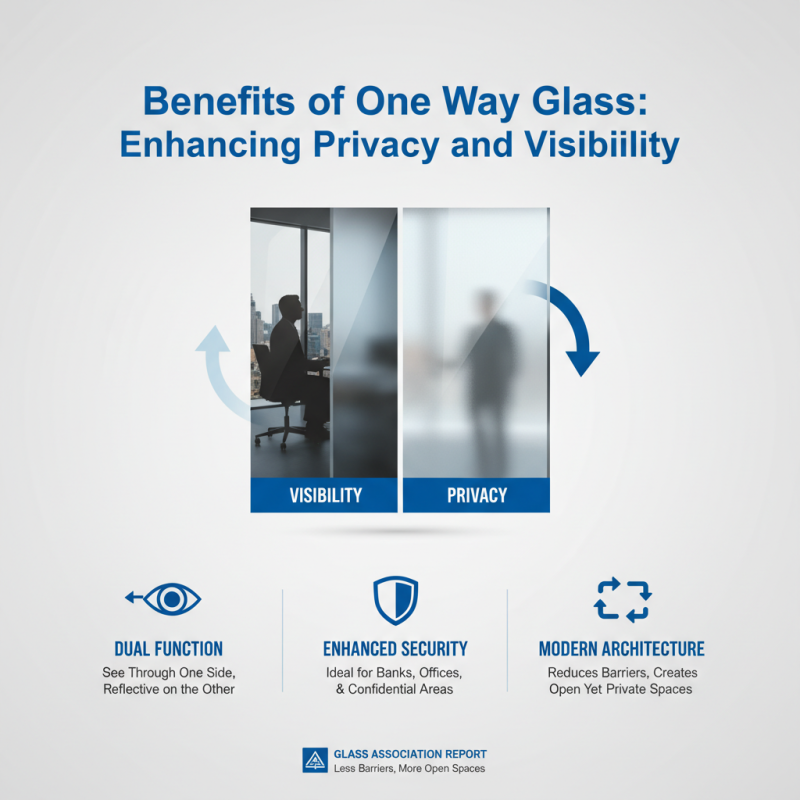
One way glass, also known as reflective glass, is increasingly popular in modern architecture. Its unique feature allows individuals on one side to see through to the other side, while providing privacy to those on the opposite side. This quality enhances security in commercial settings like banks and offices. According to a report by the Glass Association, the use of one way glass can reduce the need for traditional barriers, creating open yet private spaces.
The benefits extend to residential use as well. Homeowners find that one way glass can transform areas like patios and balconies. It allows light to filter through while blocking unwanted views. This is especially important in urban settings where privacy is often compromised. Studies indicate that homes with one way glass can see a 20% increase in perceived privacy among residents. However, one drawback is the potential for discomfort on hot days, as reflective surfaces can amplify heat.
Usage considerations also arise. The effectiveness of one way glass can vary based on lighting conditions. During the day, it works well, but at night, interior lights can compromise its function. Homeowners must weigh these factors when selecting glass options for their properties. With growing demand, many suppliers now offer various types of one way glass, ensuring a blend of aesthetics and functionality.
Applications of One Way Glass in Various Industries and Settings
One way glass, also known as reflective glass, offers unique benefits across various industries. In architectural design, it serves as a stylish solution for offices seeking privacy without sacrificing natural light. This glass allows occupants to see outside while preventing outsiders from seeing in. It's frequently used in conference rooms, enhancing both aesthetics and confidentiality.
In the retail sector, one way glass plays a crucial role. Many stores utilize it in fitting rooms, providing privacy for customers while allowing staff to assist when needed. This balance of visibility and seclusion helps create a comfortable shopping environment. Additionally, one way glass is found in security applications, such as surveillance systems. It allows operators to monitor areas discreetly, enhancing safety without drawing attention.
However, using one way glass isn't without challenges. Environmental factors, like lighting conditions, can affect its effectiveness. During the day, it works well, but at night, the inversion occurs. Proper installation and placement are key to maximizing its benefits. Understanding these nuances is essential for industries looking to leverage one way glass effectively. Attention to detail can lead to improved functionality and user experiences.
Applications of One Way Glass Across Various Industries
Top Suppliers of One Way Glass: Key Players to Consider
In recent years, one way glass has gained popularity across various industries. This glass allows visibility from one side while maintaining privacy on the other. A report from MarketsandMarkets highlights that the global one way glass market is expected to grow significantly, driven by increasing demand in commercial settings. It is popular in offices, retail spaces, and security applications.
When selecting a supplier for one way glass, it is essential to consider their expertise and reputation in the field. Leading suppliers often offer a range of products, including different thicknesses and tint options. A study by ResearchAndMarkets notes that suppliers with a strong track record tend to provide better quality and service. It's critical to analyze suppliers’ certifications and customer reviews.
Besides product quality, efficiency is vital. Suppliers should adhere to industry standards and timelines. However, some suppliers may fall short in customer communication or timely delivery. It’s worth reflecting on this and considering options carefully. Building a solid relationship with a reliable supplier can enhance overall project outcomes.
Factors to Consider When Choosing One Way Glass Suppliers
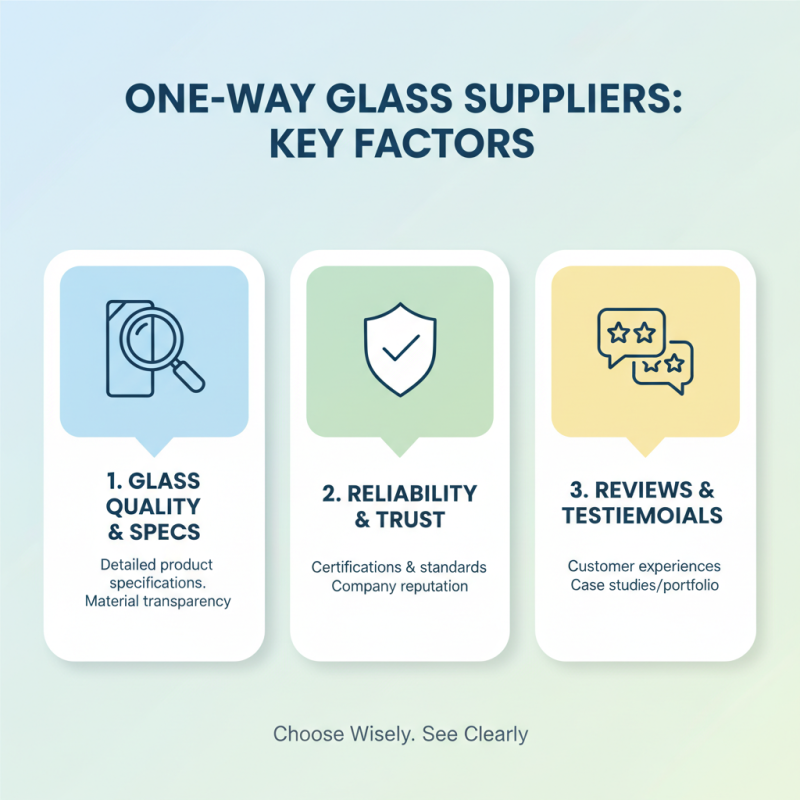
When choosing one-way glass suppliers, several key factors come into play. The quality of the glass is paramount. Look for suppliers that provide detailed specifications about their products. Transparency in materials can indicate reliability. Reviews and testimonials can offer insights into the experiences of previous customers.
Another important aspect is the supplier’s experience in the industry. A supplier with a longer track record in one-way glass is likely to be more dependable. Ask about their production processes. Are they using advanced techniques? Knowledge of technical standards is essential. Make sure the supplier can meet your specific needs, whether for security, privacy, or aesthetics.
Additionally, consider their customer service. Communication can reveal much about their professionalism. Are they responsive to inquiries? Good support can make the procurement experience smoother. Reflect on whether the supplier can adapt to your changing requirements. A flexible supplier may offer significant advantages over time.