2026 Top Trends in Scratch Resistant Glass Innovations and Applications?
The landscape of Scratch Resistant Glass is evolving rapidly, driven by innovation and technology. According to a recent market report from Grand View Research, the global scratch-resistant glass market is expected to reach $23.5 billion by 2025. This growth is fueled by the increasing demand in the smartphone and electronics industries. As noted by Dr. Emily Tran, a leading expert in material sciences, “Scratch resistant glass transforms the way we perceive durability in everyday products.” Her insight reflects the crucial role that advancements in this field play.
Several trends are shaping the future of Scratch Resistant Glass. Advanced coatings and treatments are now tailored to enhance durability while maintaining clarity. Innovations like nanotechnology are allowing manufacturers to create highly resilient surfaces that resist scratches. However, there are challenges too. The balance between cost and performance remains a challenge for producers. Many brands are still experimenting with different formulas.
Moreover, consumer awareness is rising, leading to higher expectations for quality in Scratch Resistant Glass products. End-users want not just durability, but also aesthetic appeal. This push for multi-functional glass surfaces might lead to unforeseen complications in production processes. As the industry continues to grow, addressing these complexities will be vital for future success.

Overview of Scratch Resistant Glass Technologies and Innovations
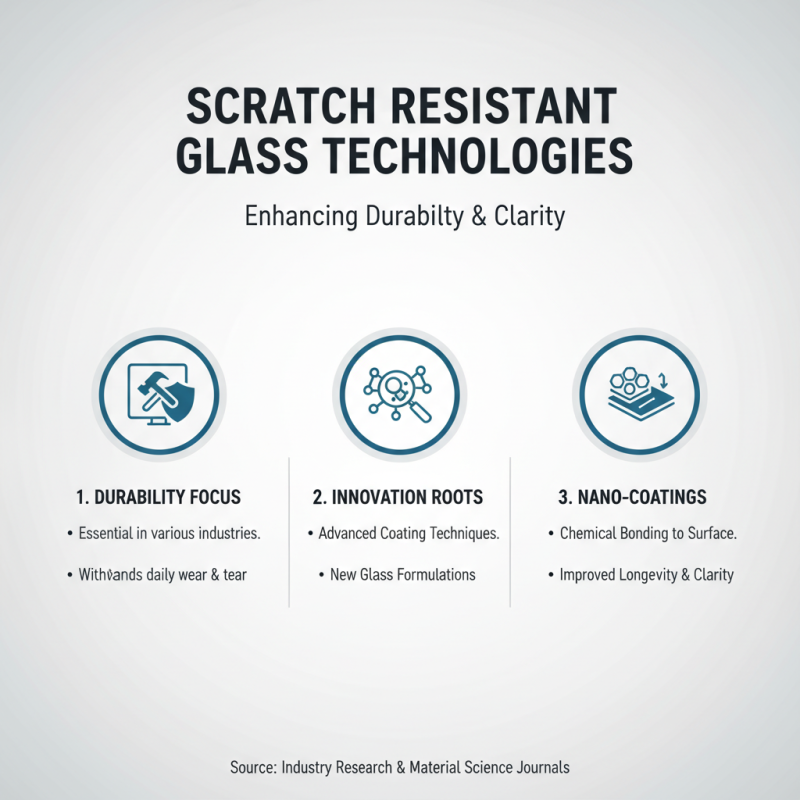
Scratch resistant glass is becoming increasingly essential in various industries. Innovations in the technology focus on enhancing durability while maintaining clarity. These advancements are rooted in advanced coating techniques and glass formulations. For instance, scratch resistant glasses now often incorporate nano-coatings that bond chemically to the glass surface. This approach results in a more durable product that can withstand everyday wear and tear.
One notable trend involves the use of advanced ceramics within glass compositions. This innovation promises high scratch resistance and improved impact durability. However, challenges remain in balancing cost and performance. Some products may not meet consumer expectations, especially under extreme conditions. Moreover, the manufacturing process for these advanced glass types can be complex, leading to production variability. As the industry evolves, continuous research is vital for refining these technologies and addressing their limitations. It's critical to approach these innovations with a clear understanding of their applications and potential drawbacks.
Key Materials Driving Advances in Scratch Resistant Glass Design
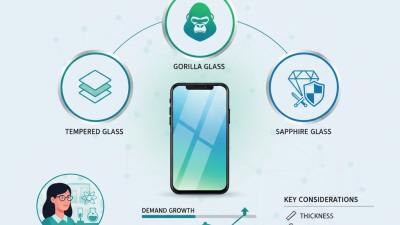
Scratch resistant glass has emerged as a vital component in various industries. Advances in materials are leading the way. For instance, sapphire crystal has gained traction. This material offers exceptional hardness, rated 9 on the Mohs scale. It’s often used in luxury watches and smartphone displays due to its durability.
Another significant advancement involves coatings. Researchers are developing self-healing polymers. These coatings can fill in scratches when heated. They enhance surface longevity while maintaining clarity. A report from Grand View Research indicates that the global market for scratch resistant glass is expected to reach $7 billion by 2026. This underscores the material's increasing relevance.
Yet challenges remain. Manufacturing processes can produce uneven thickness, leading to variable durability. Additionally, the cost of innovative materials may deter widespread adoption. Balancing performance with affordability is essential. The industry must navigate these tensions to maximize the potential of scratch resistant glass.
Emerging Applications of Scratch Resistant Glass in Various Industries
In various industries, scratch-resistant glass is gaining significant traction. The automotive sector is leveraging this innovation to enhance vehicle safety. Windshields and displays are now more durable against daily wear and tear. This enhancement not only improves visibility but also increases the longevity of these components.
The electronics industry is another major beneficiary. More manufacturers are incorporating scratch-resistant glass into smartphones and tablets. Users appreciate the resilience against scratches and cracks. This has become a key feature, driving consumer preferences. However, not all products meet the highest standards. Some may still show signs of wear over time. It's essential for consumers to research before making a purchase.
Tips: Consider your lifestyle needs before choosing a product. If you are often on the go, a more durable option is advisable. Also, regular maintenance can keep the surface pristine. Treating the glass with appropriate cleaners can sustain its clarity. Always weigh the pros and cons of different materials to make informed decisions.
2026 Top Trends in Scratch Resistant Glass Innovations and Applications
| Application Area |
Innovation Type |
Material Used |
Durability Rating |
Market Growth Rate (%) |
| Consumer Electronics |
Anti-Reflective Coatings |
Aluminosilicate Glass |
9H |
15% |
| Automotive |
Laminated Glass |
Tempered Glass |
8H |
12% |
| Architecture |
Smart Glass Technologies |
Low-E Glass |
7H |
10% |
| Aerospace |
Scratch-Resistant Coatings |
Polycarbonate |
10H |
8% |
| Medical Devices |
Biosafe Glass |
Borosilicate Glass |
9H |
14% |
Comparative Analysis of Scratch Resistant Glass Products on the Market
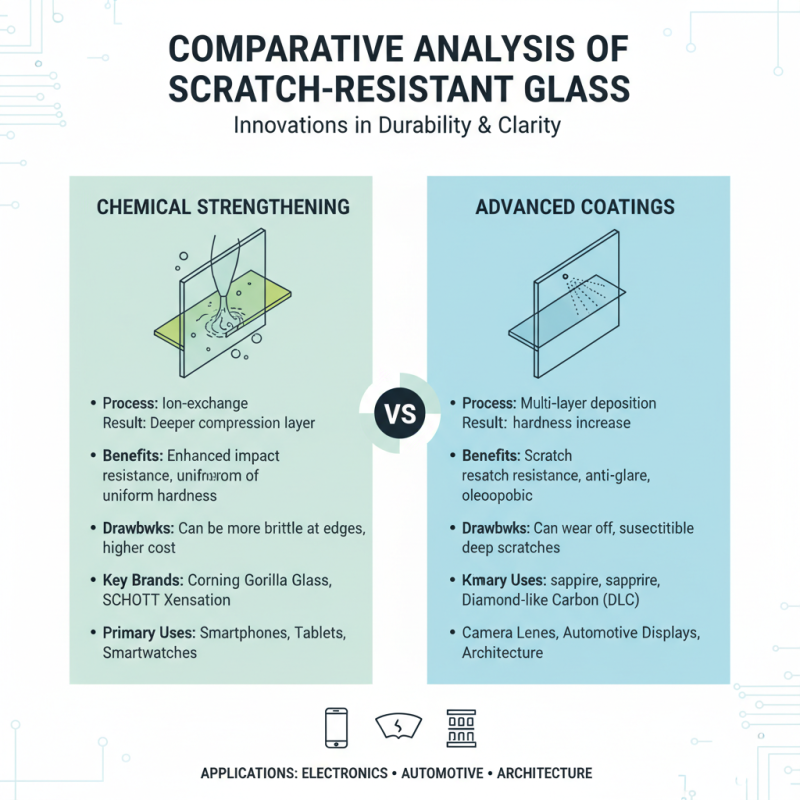
The market for scratch-resistant glass has evolved significantly in recent years. Innovations focus on enhancing durability while maintaining clarity. This is crucial for products used in consumer electronics, automotive, and architecture. Different manufacturers employ various technologies. Some use chemical treatments, while others lean on advanced coatings.
In analyzing the available products, key differences emerge. Some scratch-resistant glasses claim extreme hardness but may lose transparency over time. Others offer improved resistance but struggle with high impact. Many consumers seek balance in durability and aesthetic appeal. It’s essential to evaluate not only the scratch resistance but also how these products perform under everyday conditions.
Despite advancements, challenges remain. Many users report that specific products do not meet their expectations in real-world scenarios. Long-term testing results vary widely. A product may shine during initial use but show wear much sooner than anticipated. This inconsistency highlights the need for ongoing research and quality assurance in the industry. Understanding these nuances can help consumers make informed decisions.
Future Projections and Trends for Scratch Resistant Glass Development
The advancements in scratch-resistant glass technology are expected to reshape various industries by 2026. Recent industry reports indicate a projected growth rate of over 7% annually for this market. Innovations are primarily driven by the demand for durable surfaces in electronics and automotive applications. These sectors require materials that not only resist scratches but also offer enhanced clarity and longevity.
Key developments involve the use of nanotechnology to create ultra-thin coatings. These coatings can improve surface hardness without compromising optical performance. Some studies suggest these innovations could lead to a significant reduction in maintenance costs.
However, challenges remain. The production processes for such advanced coatings often involve complex techniques. This complexity can limit scalability. Industry experts point out that finding a balance between cost and performance is crucial for wider adoption. Additionally, more research is needed to assess long-term durability in real-world conditions. Overall, the future of scratch-resistant glass looks promising, but continuous evaluation and adjustment will be necessary for success.